Selected hydrogen mobility news, research, and industry signals from around the world. Curated to track developments relevant to our markets in Western Australia and Italy.
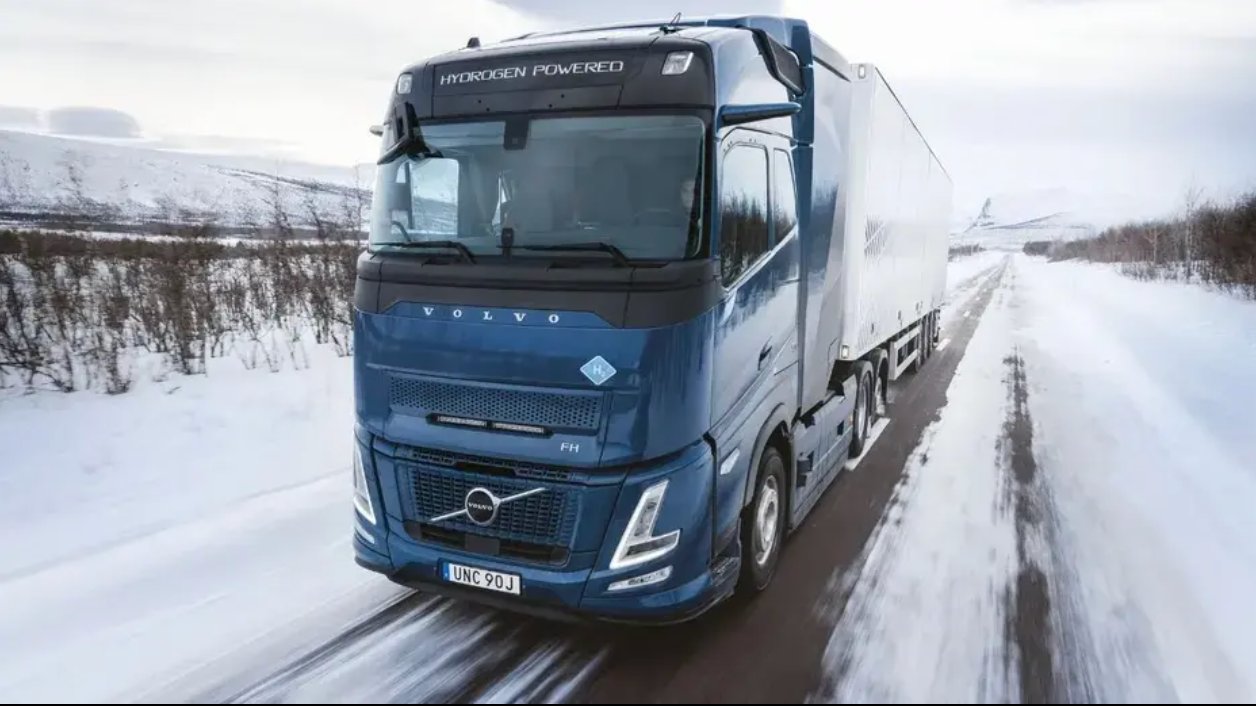
Major truck manufacturers including Toyota, Daimler Truck, and Volvo are backing hydrogen fuel cells for long-haul freight, arguing batteries face limitations in payload, range, and charging times for heavy-duty applications. Their joint venture, Cellcentric, is expanding fuel-cell development and infrastructure.
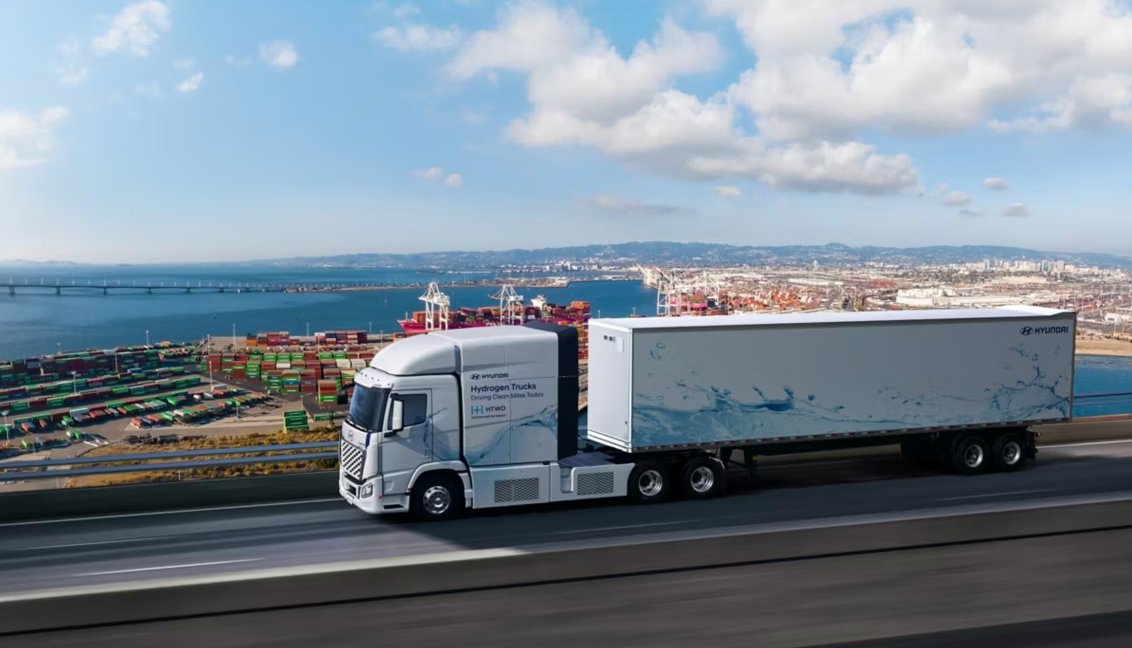
Hyundai has confirmed that its XCIENT fuel-cell truck fleet has exceeded 20 million kilometres of operation across five European countries, with 165 trucks in service. Hyundai introduced the new XCIENT Fuel Cell Class-8 heavy-duty truck at the Advanced Clean Transportation Expo 2025 in Anaheim, California.
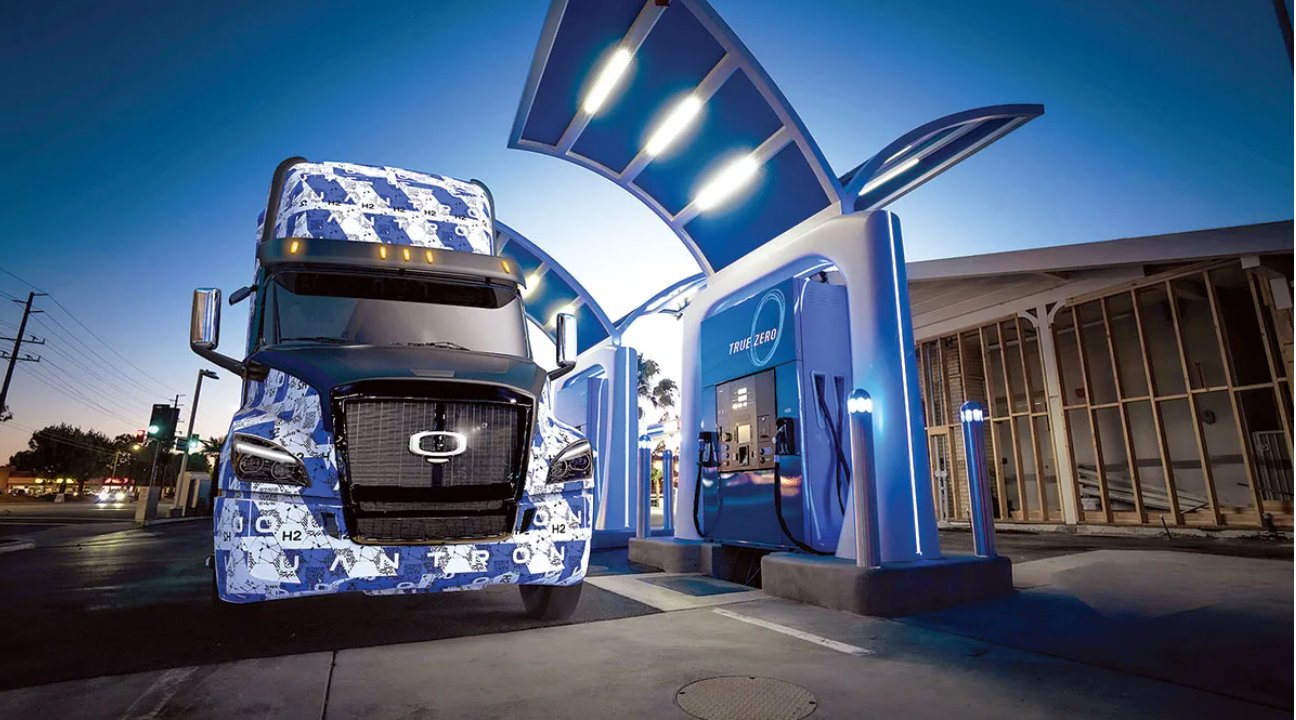
The Hydrogen Transport Forum, made up of BMW, Hyundai, and Honda, has called on the Federal Government to incorporate hydrogen fuel-cell vehicles within the National Electric Vehicle Strategy. The industry argues for a technology-neutral approach, particularly for heavy transport, mining, and long-distance applications.
Passenger hydrogen cars remain a niche segment globally. Heavy-duty trucks, buses, mining vehicles, and industrial transport are the strongest hydrogen mobility segments today. Europe is leading deployment. Australia is focused on policy development and infrastructure planning, with Western Australia positioned for early-mover advantage as the A$2/kg production credit window opens in July 2027.
The most convincing evidence for hydrogen mobility today is not passenger vehicles but commercial fleets where fast refuelling and long range create a clear economic advantage over batteries.
For interviews, comment, or further information.